

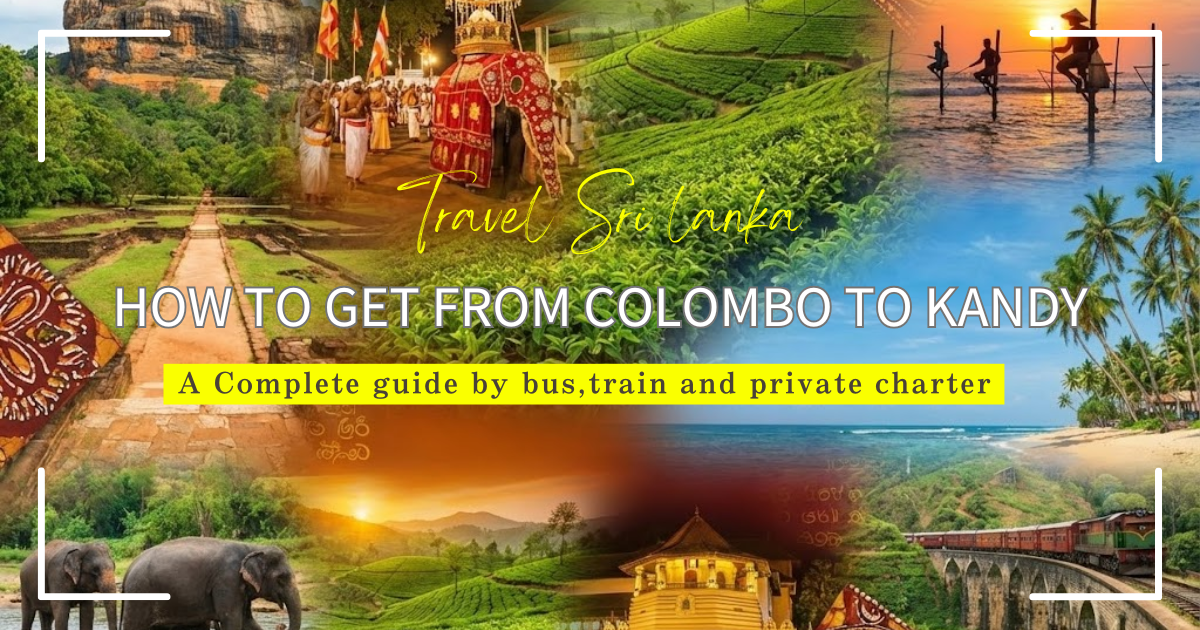
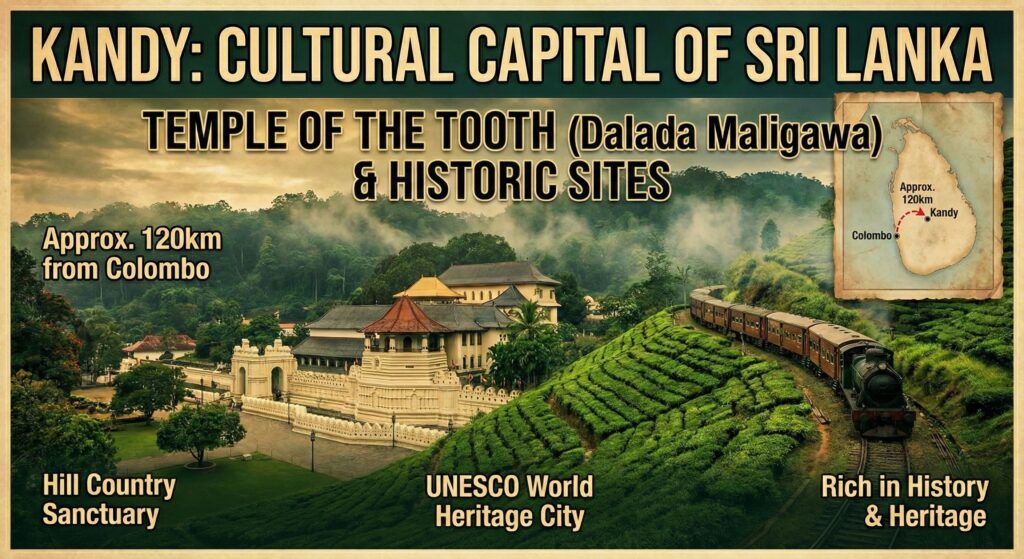
The distance from Colombo, the capital of Sri Lanka, to the UNESCO World Heritage city of Kandy is approximately 120 kilometres. Situated in the hill country, Kandy is renowned as Sri Lanka’s cultural capital, boasting numerous historical landmarks including the Temple of the Sacred Tooth Relic (Dalada Maligawa).
 Ravi
RaviFor first-time visitors travelling from Europe, when choosing a means of transport from Colombo to Kandy, factors such as ‘travel time’ and ‘cost’ are naturally important considerations, but ‘comfort’ and ‘safety’ are also likely to be points of concern.
This article therefore comprehensively covers all conceivable means of transport, from public transport such as trains and buses, to private cars and taxis, and even private charter services, detailing the characteristics of each.
Travelling by train (railway)
The railway journey between Colombo and Kandy is renowned as one of Sri Lanka’s most scenic train trips.
The scenery seen from the train window as it weaves through tropical jungles and tea-covered hills is truly exceptional; one might say the train itself is a form of sightseeing.
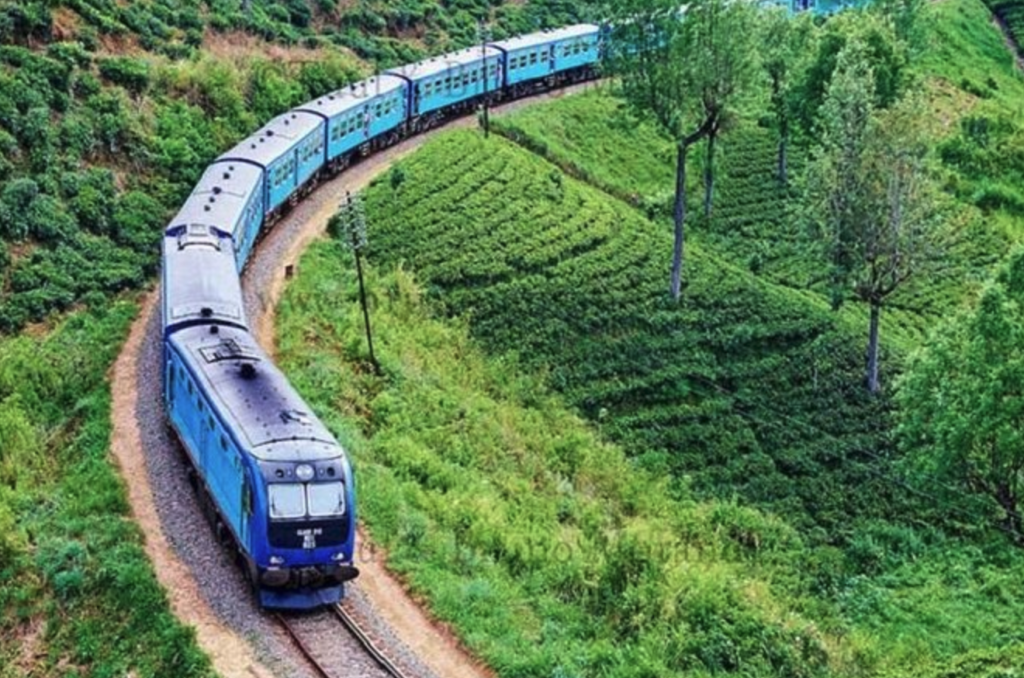
However, as it also serves commuter transport needs, there are approximately ten services per day (first train at 6:55, last train at 19:30), making it an indispensable means of transport for local residents.
RaviWhilst the train can be crowded due to its popularity with foreign tourists, mastering a few tips for using it effectively will ensure a comfortable and memorable journey.
The journey from Colombo Fort Station, the main station in Colombo, to Kandy Station takes approximately 2.5 to 3.5 hours.
If you can take the Intercity Limited Express, which is equivalent to a rapid service, the journey takes approximately two and a half hours at its shortest. However, if travelling by local train stopping at every station, you should allow over three hours. Please allow ample time for your journey, as speeds are reduced in mountainous sections.
How to purchase tickets
Train tickets are broadly categorised into reserved seats and unreserved seats.
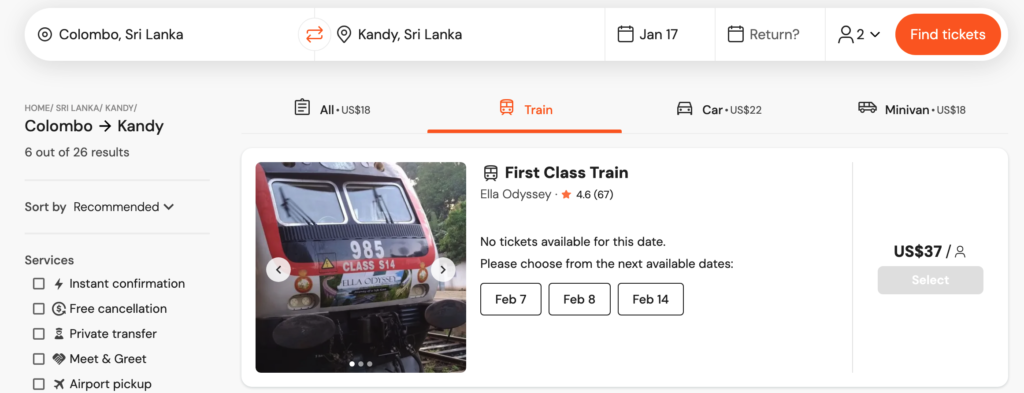
To secure a reserved seat, bookings can be made online or at station ticket offices from 32 days prior to travel.
Particularly for first class or popular sightseeing trains, seats may sell out even one month in advance, so plan your booking accordingly.
 Emma
EmmaIt is difficult to purchase train tickets through the official Sri Lanka Railways website. Make use of Book away!
Unreserved seat tickets may be purchased at the station on the day. They are issued at the ticket office at Fort Station and are available in unlimited quantities, so they do not sell out.
EmmaTherefore, you may have to stand.
Unlike in Western countries, online booking may sometimes prove difficult; in such cases, one could consider utilising the private charter service mentioned later to arrange the booking.
Difference between first class, second class and third class
Sri Lankan trains feature three main classes: First Class, Second Class, and Third Class, each offering distinct atmospheres and facilities.
First Class includes air-conditioned carriages and observation cars, both offering comfortable, cushioned seats with reserved seating.
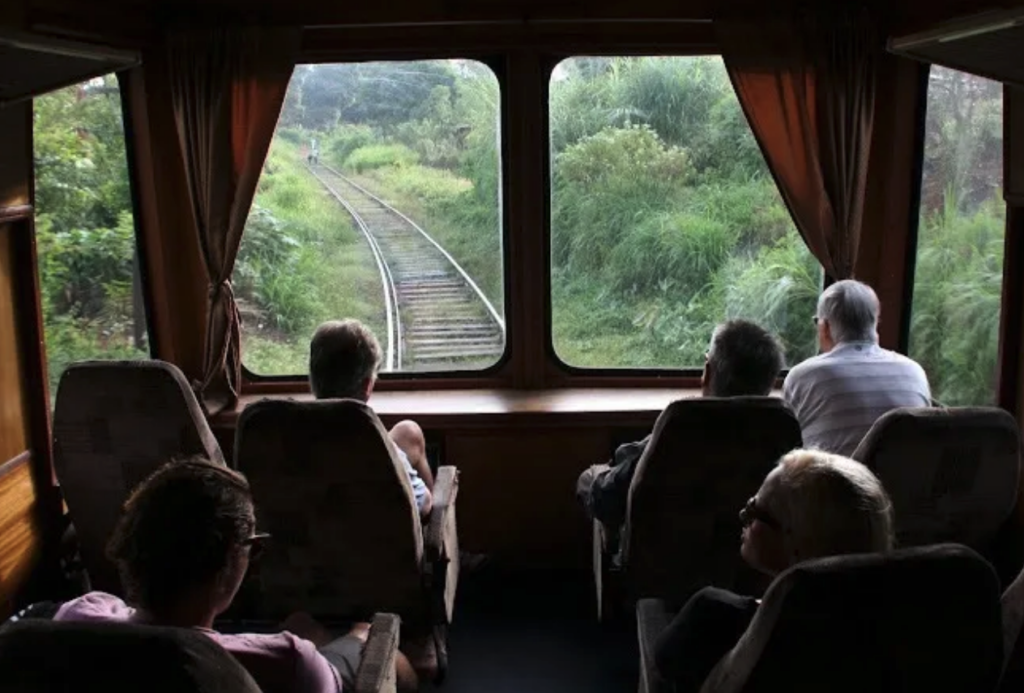
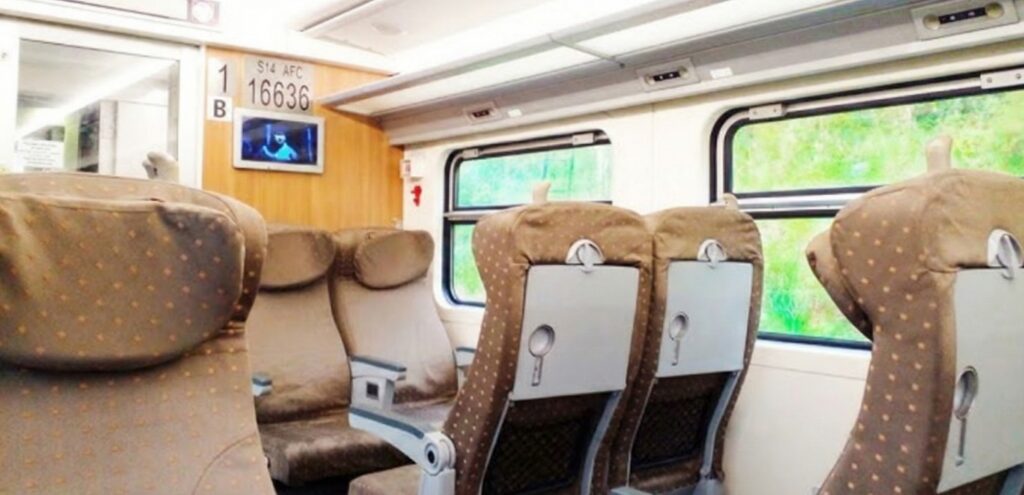
Second-class carriages feature ceiling fans and windows that open and close, with both reserved and unreserved seating available.
They offer a good balance of price and comfort, and provide an opportunity to interact with local passengers.
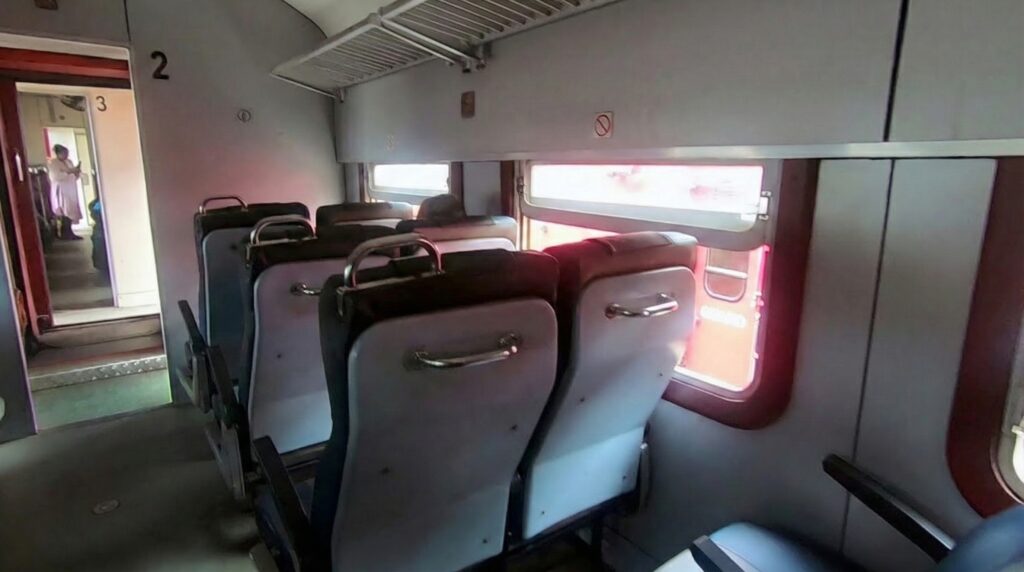
Third-class carriages are simple wooden bench-seated vehicles that are always crowded, but in return you can fully enjoy the local atmosphere.
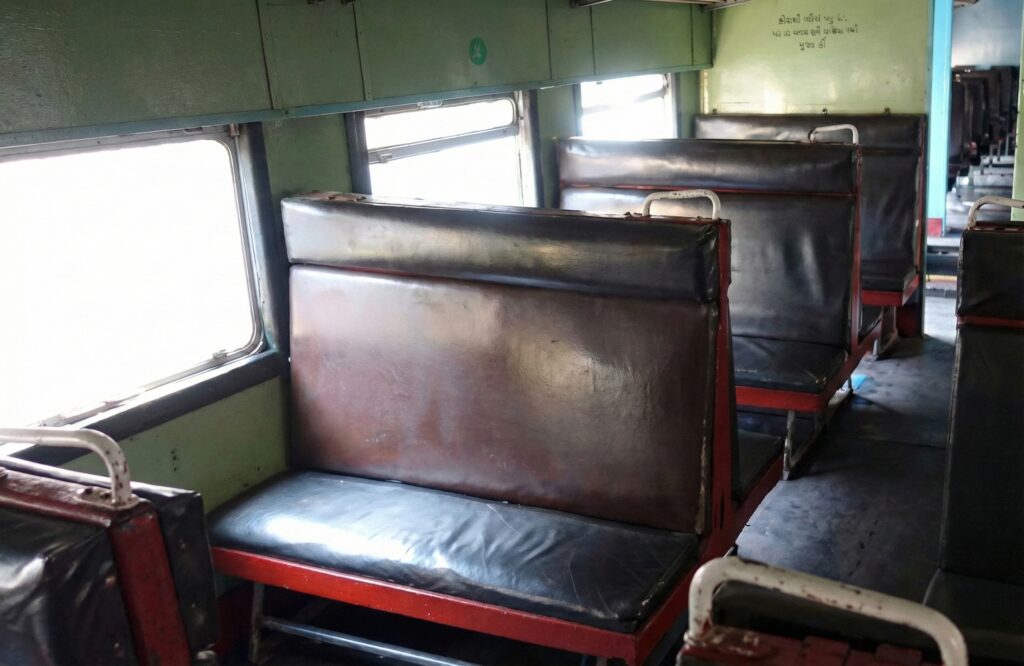
While trains do have toilets (though these may be basic, non-flushable types), cleanliness varies considerably between carriages, so bringing your own portable toilet paper is advisable.
The following are the approximate fees per class:
- Third-class unreserved seating: approximately LKR 200 (Sri Lankan rupees, approximately £0.50/€0.60)
- Second-class unreserved seating: Approximately LKR 300 (approx. £0.75/€0.90), Second-class reserved seating: LKR 400–600 (approx. £1.3/€1.7)
- First Class (air-conditioned reserved seat): Approximately LKR 1,000 (around £2.5/€2.8). Special carriages such as observation cars may cost LKR 1,200–1,500 (approximately £4–£5/€4.5–€5.5).
※LKR exchange rate calculated at 1 Sri Lankan rupee ≈ £0.0024/€0.0028 (as of January 2026). Actual fares may vary due to local conditions and fuel prices; please check the latest fares at the station.
How to travel by bus (long-distance coach)
The journey between Colombo and Kandy is also popular by long-distance coach. Sri Lanka’s bus network, comprising both state-run and private operators, boasts an extensive route system, with the appeal being its low cost and frequent departures.
EmmaFor budget-conscious backpackers and locals in particular, the bus is an indispensable means of transport.
RaviUnlike rail services, buses run 24 hours a day, so you can travel immediately even if you arrive late at night or early in the morning.
However, this often means longer journey times and crowded conditions, making it less comfortable and physically demanding than travelling by train or car. Here we explain key points for using buses.
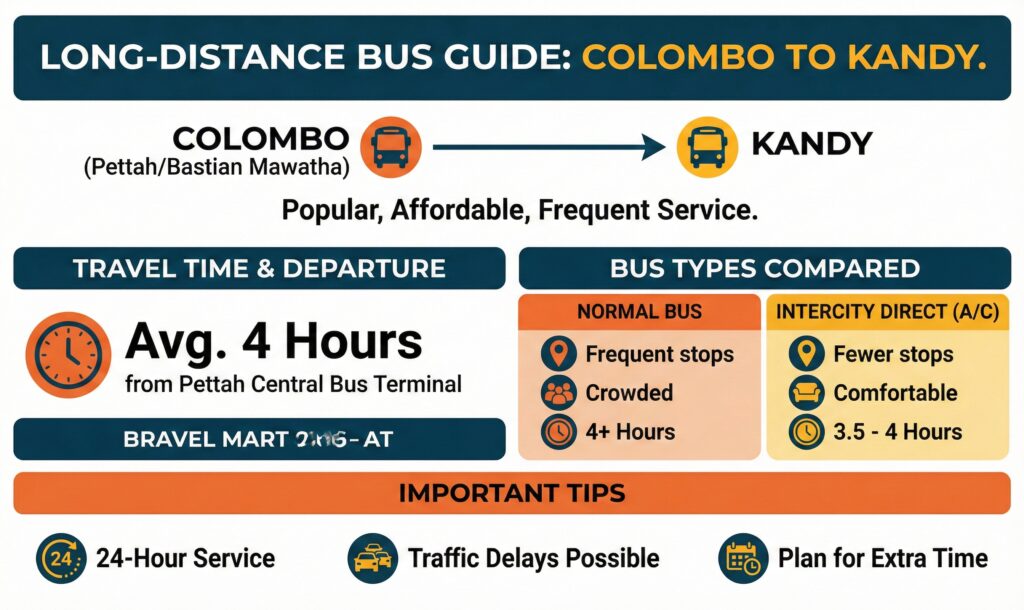
How to get from Colombo to Kandy
From Pettah/Bastian Mawatha in Colombo city centre, the journey to Kandy by bus takes an average of around four hours. For regular buses that stop frequently to pick up and drop off passengers along the way, allow for over four hours.
On the other hand, the air-conditioned Intercity direct coach makes fewer stops, arriving in as little as approximately 3.5 to 4 hours. However, journey times may be extended due to traffic congestion or roadworks, so it is advisable to plan your travel with ample time.
RaviThe Colombo side departs from the aforementioned Pettah bus terminal. The Pettah district is a bustling commercial area close to Colombo Fort Station, and is home to the city’s largest bus depot, which is adjacent to a large market.
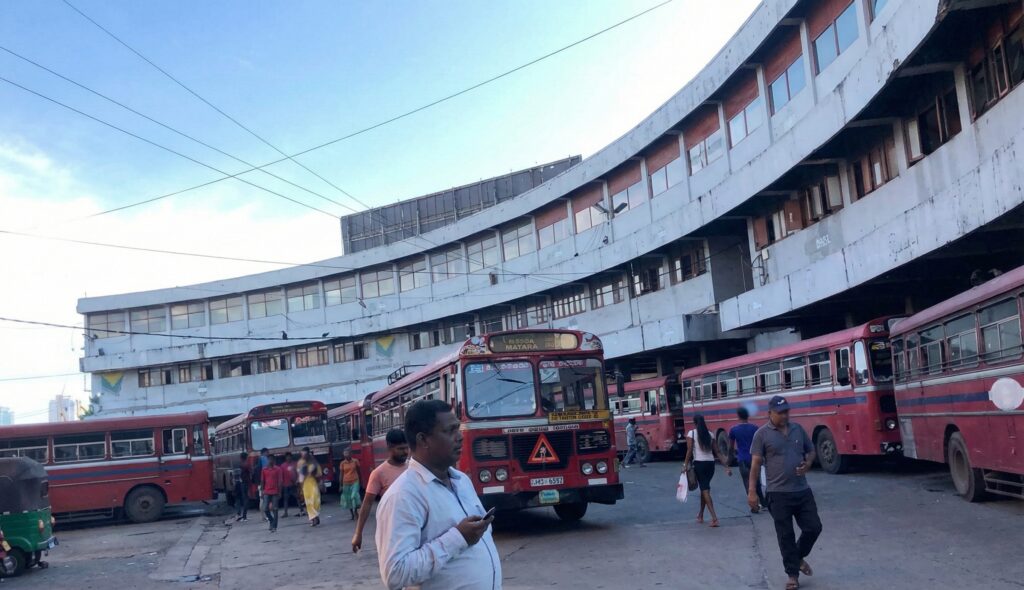
Buses to Kandy generally operate on Route Number 1. Look for the destination sign (Kandy bound) within the terminal. You can ask nearby staff or drivers “Kandy?” and they will direct you.
Direct buses to Kandy also depart from Colombo International Airport (CMB), and by using long-distance buses operating from the airport, it is possible to travel without passing through Colombo city centre.
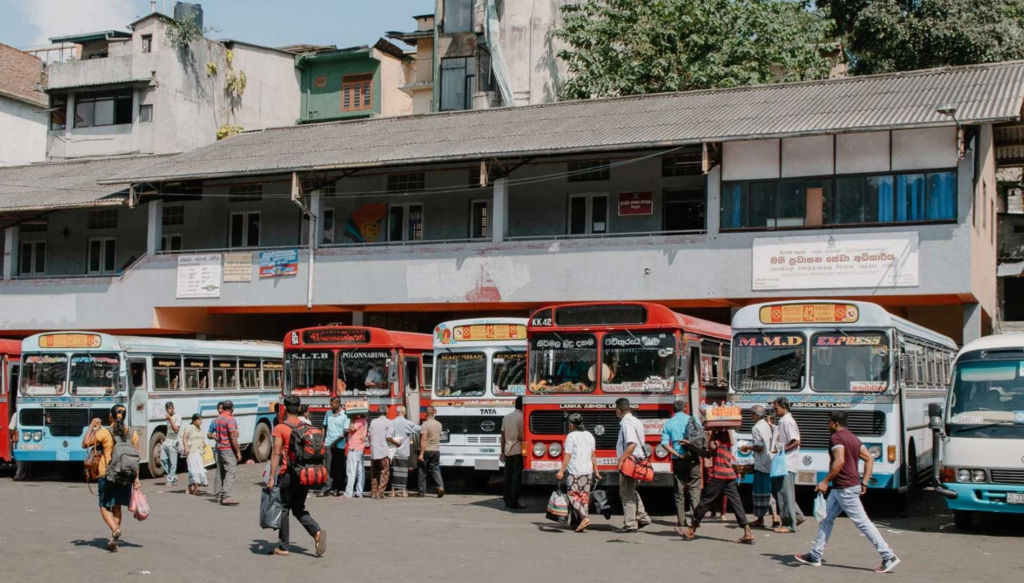
How to Purchase Tickets
For standard buses (non-air-conditioned vehicles), tickets are purchased directly from the conductor on board. Advance booking is not required; simply state your destination and pay the fare when boarding.
For A/C (air-conditioned) coaches, reserved seating is often required; if you wish to be certain of a seat, it is advisable to make a prior reservation. Reservations can be made at the Petar bus terminal counter, through travel agencies, or via online booking sites (※English).
EmmaRepresentative booking sites include Bookaway and 12Go Asia, where you can secure your seat in advance by paying with a credit card.
RaviDuring peak periods, departures may sell out just before departure, so if you plan to use an air-conditioned coach, do make arrangements well in advance.
Fare (transportation charges)
Bus fares are surprisingly cheap. Although subject to inflationary fluctuations, a standard route bus between Colombo and Kandy costs just around LKR 400 (£0.96/€1.1) one way.
As of 2025, the standard fare for government-operated buses (SLTB buses) is generally around LKR 390–440, which converts to less than £1 or €1, making it very inexpensive. Even air-conditioned intercity buses are very economical, costing around LKR 800 to 1200 (approximately £2–£3/€2.5–€3.3).
However, private buses and shuttles booked via travel agency websites can sometimes be more expensive (e.g. a reserved air-conditioned bus costing LKR 3,300 ≈ approximately £8/€9).
Payment is generally in local currency (Sri Lankan rupees), though airport-departing tourist shuttles may occasionally accept US dollars or cards. It is advisable to have small denomination rupee notes ready.
(Top recommendation) Utilise private charters
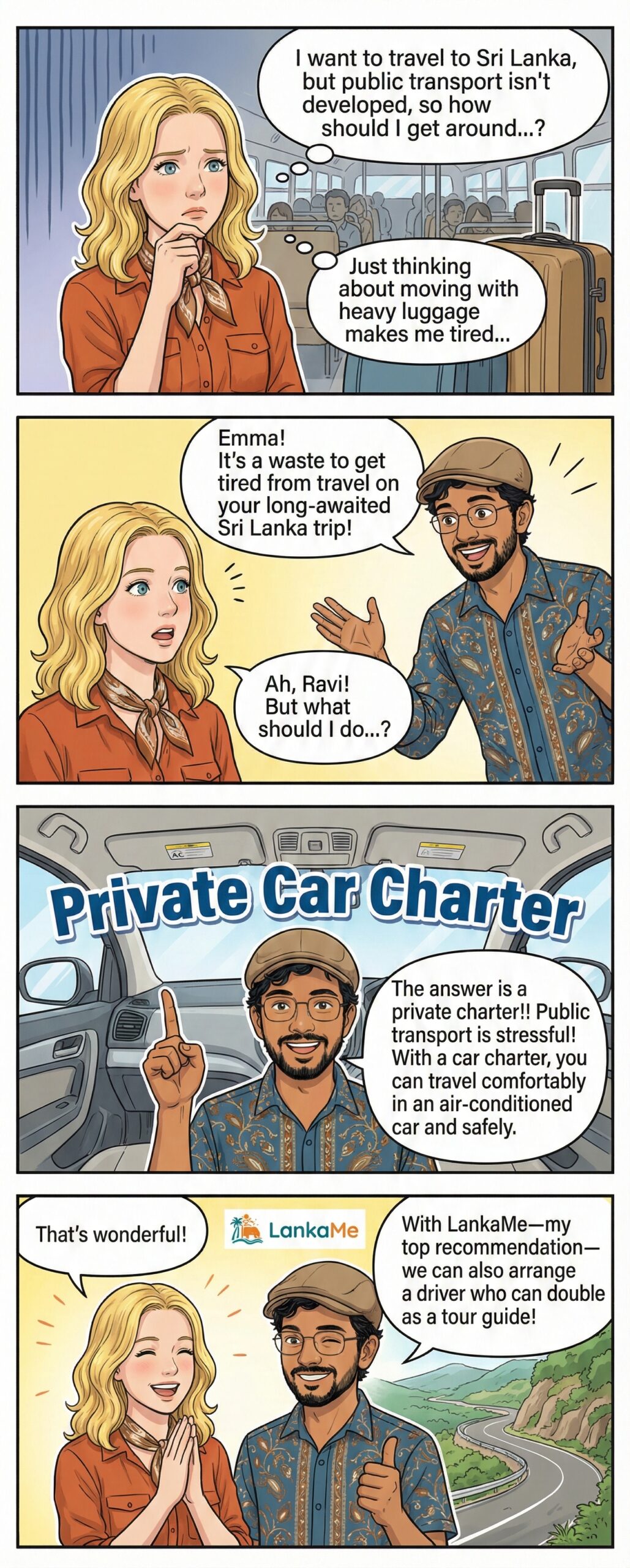
Finally, for travelling from Colombo to Kandy, the most reassuring and comfortable way to enjoy sightseeing is by private charter service.
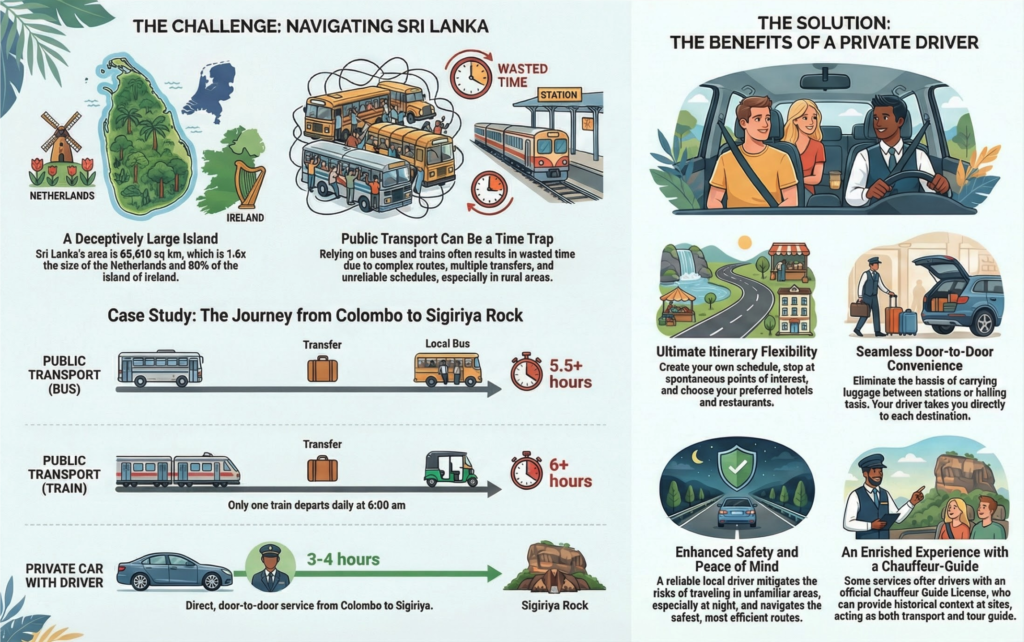 Emma
EmmaAmong these, I particularly recommend LanakMe.
LankaMe is a private hire service exclusively operated by Sri Lankan government-certified drivers.
Drivers are able to communicate in English, and under the Platinum Plan, they also provide guidance and commentary at major tourist sites.
RaviIn addition to the guide, you can also request various pre-trip consultations and arrangements for safari jeeps! You’ll receive comprehensive support!
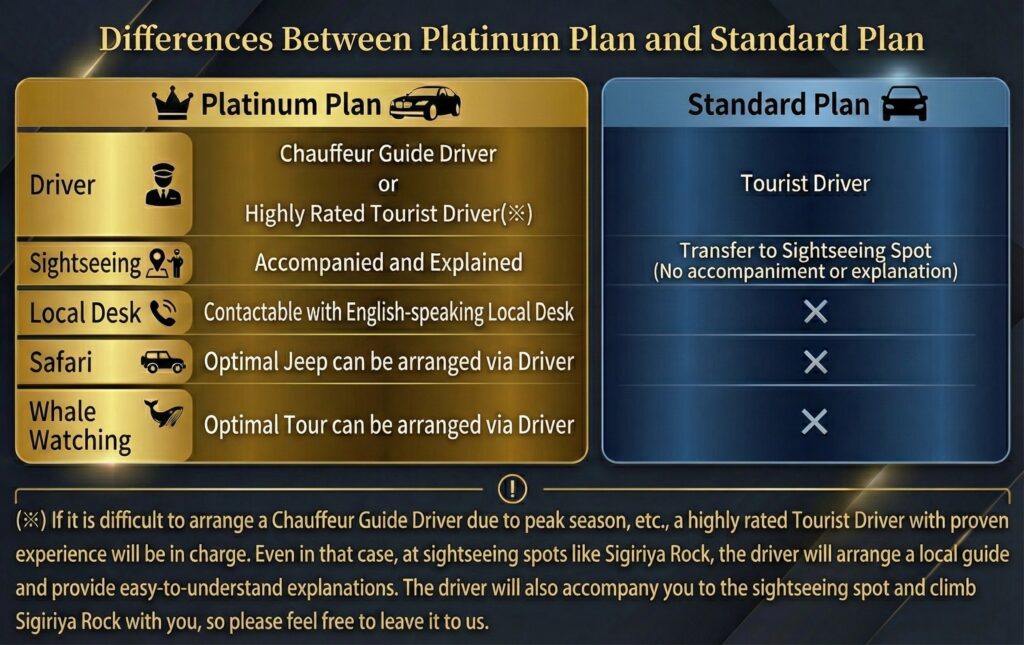
The service operates on a flat-rate system, with no additional charges beyond the upfront price quoted, making it a popular choice that even first-time travellers can use with confidence.
 Emma
EmmaAfter travelling from Colombo to Kandy, you can smoothly proceed to the next leg of your itinerary, allowing you to enjoy your Sri Lanka trip efficiently!
Summary
The above details the main ways to travel from Colombo to Kandy, covering the following aspects: travel time ticket purchasing methods comfort safety cost
Sri Lanka boasts a well-developed public transport system, though travellers from Europe may find the unfamiliar environment somewhat daunting. However, as mentioned in this article, both trains and buses offer their own distinct charms, promising memorable experiences that will become cherished travel memories.
If you have time to spare and wish to enjoy the local atmosphere, opt for rail travel or budget coaches. For efficiency or travelling in larger groups, choose taxis/chartered vehicles – select according to your purpose.

コメント