



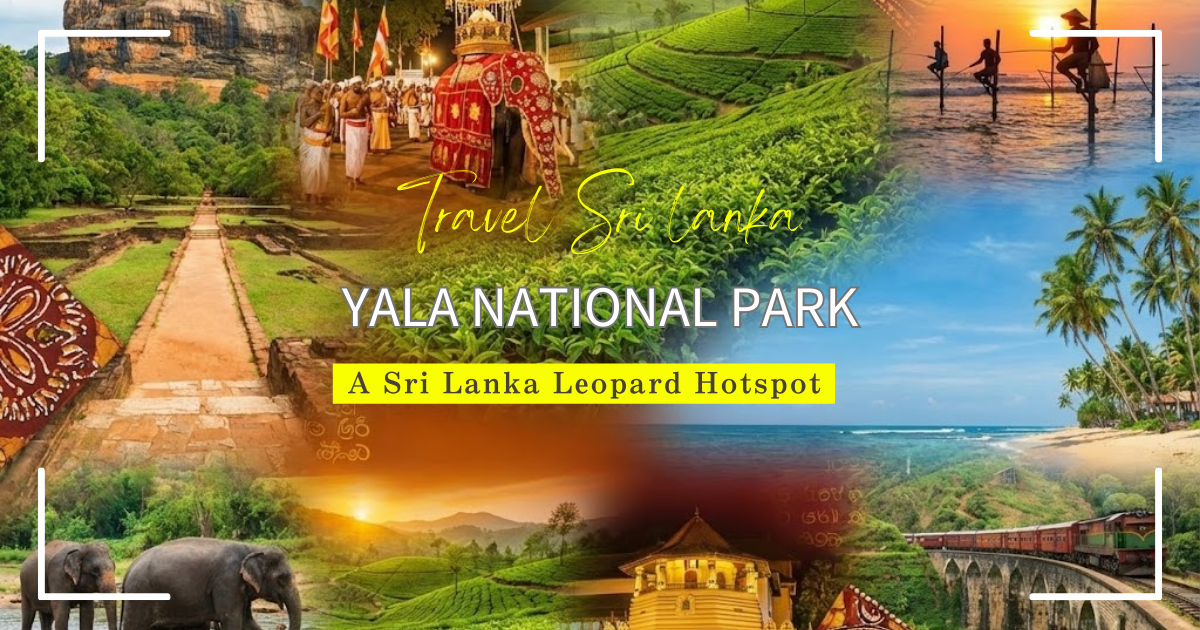
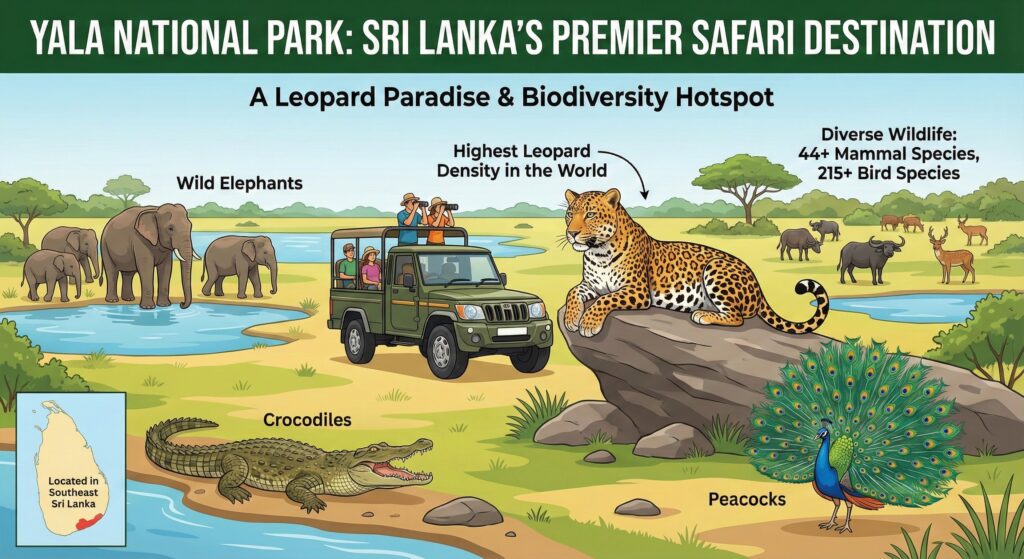
Yala National Park, stretching across south-eastern Sri Lanka, is a safari mecca renowned for one of the world’s highest leopard sighting rates.
 Ravi
RaviEven on long-distance trips from Europe, by mastering the knack of access and arrangements, you can efficiently encounter ‘wild moments’ within a limited number of days.
This article clearly explains how to get there by public transport, how to choose a private charter for smooth travel, the differences between the five zones, the best season and closing times, and even admission fees and jeep tour costs.
Access to Yala National Park
Yala National Park is situated in south-eastern Sri Lanka, approximately 300 kilometres from Colombo.
When travelling by public transport, it is generally advisable to first head to the towns of Tissamaharama or Kataragama near the park from major cities such as Colombo or Galle.
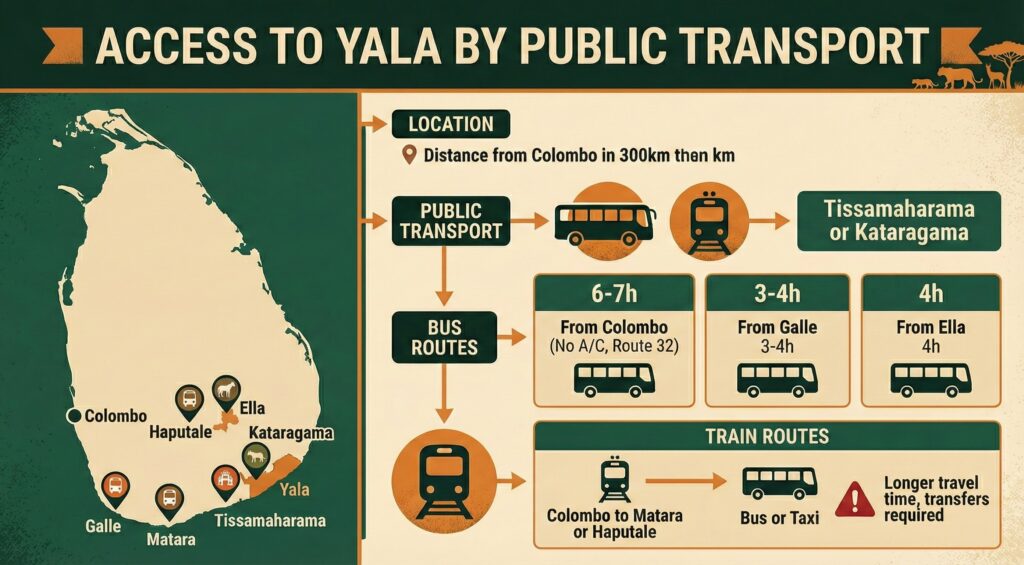
From Colombo, a non-air-conditioned long-distance bus (route number 32) operates daily towards Tissamaharama, with a journey time of approximately 6 to 7 hours (subject to road conditions and traffic volume).
From Galle on the southern coast, it takes approximately 3 to 4 hours by bus; from the central highlands such as Ella, a direct bus takes about 4 hours.
When travelling by rail, one option is to take a train from Colombo to either Matara Station in the south or Haputale Station in the highlands, then transfer to a bus or taxi. However, the rail-plus-bus route takes considerably longer (over seven hours by train alone) and involves the inconvenience of changing transport.
 Emma
EmmaWhen travelling to Yala by public transport, preparations for long-distance travel are necessary.
RaviPlan rest stops and meals in towns along the way, and if departing from Colombo, we recommend setting off early in the morning to avoid traffic congestion.
Furthermore, as securing transport to accommodation near the park becomes difficult upon late-night arrival, it is advisable to schedule your journey to reach your destination during daylight hours for peace of mind.
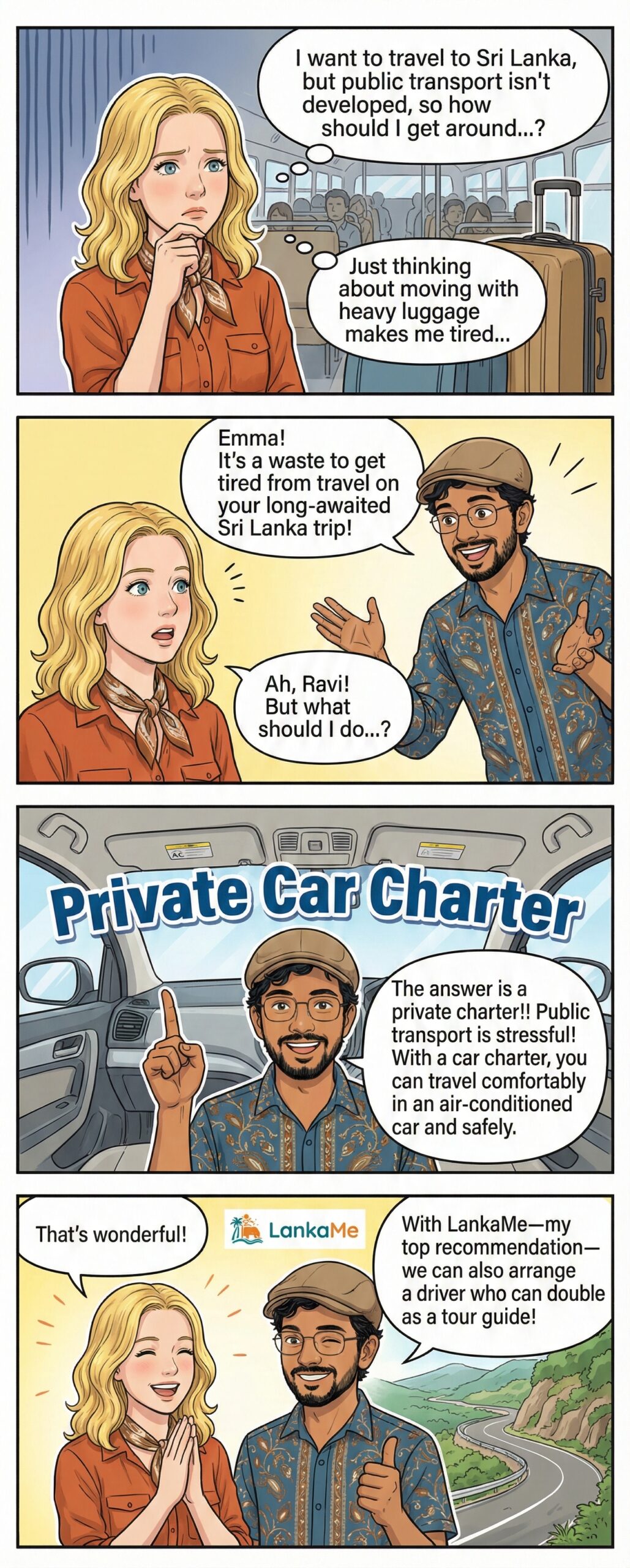
EmmaOn the other hand, we strongly recommend using a private charter (dedicated vehicle) if possible.
With a private vehicle, you can travel directly from Colombo to the vicinity of Yala in approximately 5 to 6 hours, offering greater flexibility for luggage management and sightseeing en route. Travellers from Europe seeking to make efficient use of their time or prioritising comfort may wish to consider arranging a chauffeur-driven chartered vehicle.
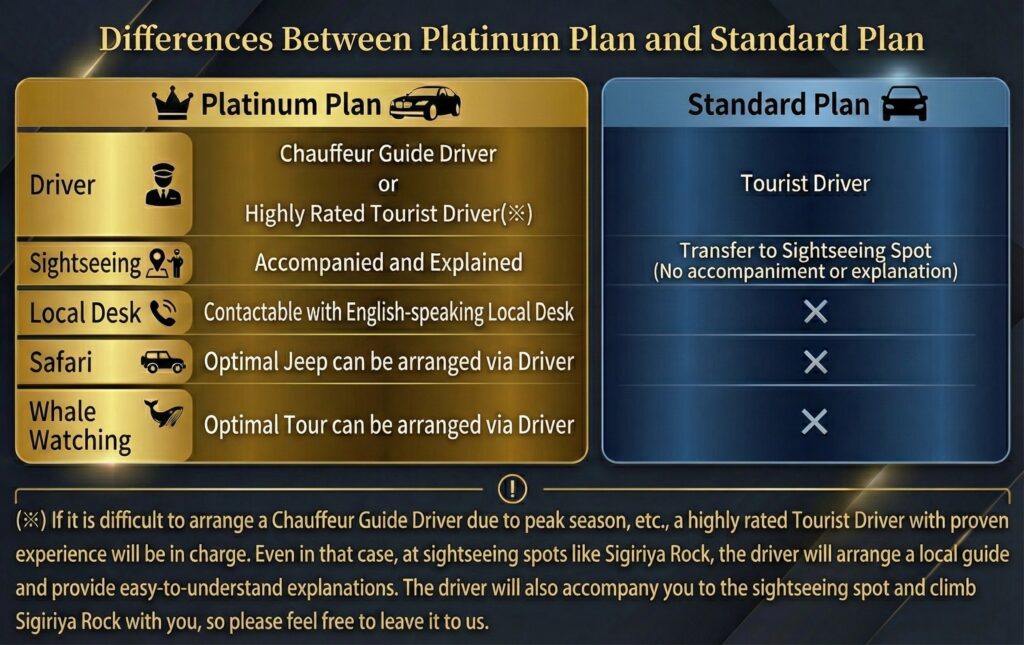
For instance, with LankaMe’s Platinum Plan, your driver also acts as your guide, accompanying you throughout your journey. This allows you to hear explanations about the local history and culture during travel, making your trip all the more enriching.
We also utilised this plan at our home, and the service delivered exactly as promised with a dedicated driver and guide, making it an absolutely perfect trip.
EmmaConsidering the fatigue and inconvenience of long journeys by public transport, one might say that, even if the cost is somewhat higher, access by private charter is the smoothest and most comfortable option.
RaviAlso, just to add one last thing—if it’s LankaMe, they can arrange the perfect jeep tour for you as well!
The Five Zones of Yala National Park and Their Characteristics
Yala National Park manages its vast grounds by dividing them into five distinct areas (blocks). Each zone features different topography, ecology, and tourism potential, resulting in varied safari experiences.
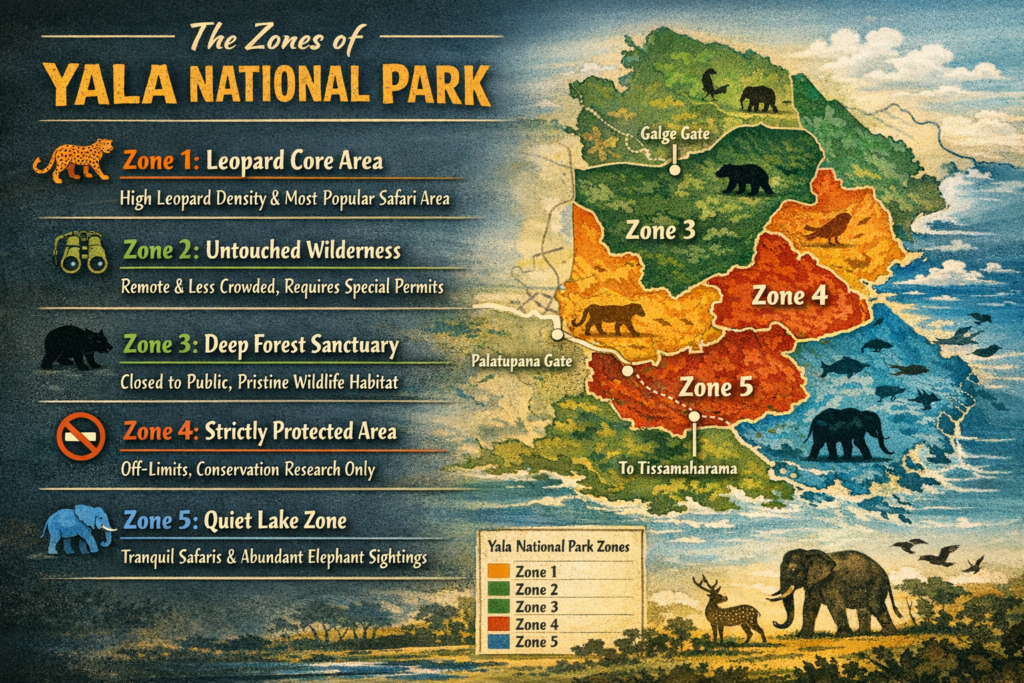
Below, we explain the characteristics of Zones 1 to 5 for each zone.
Zone 1 (Block 1): The central tourist district
Zone 1 is the most popular area within Yala National Park, attracting the highest concentration of visitors. With the highest density of wildlife, many safari tours begin their itinerary here.
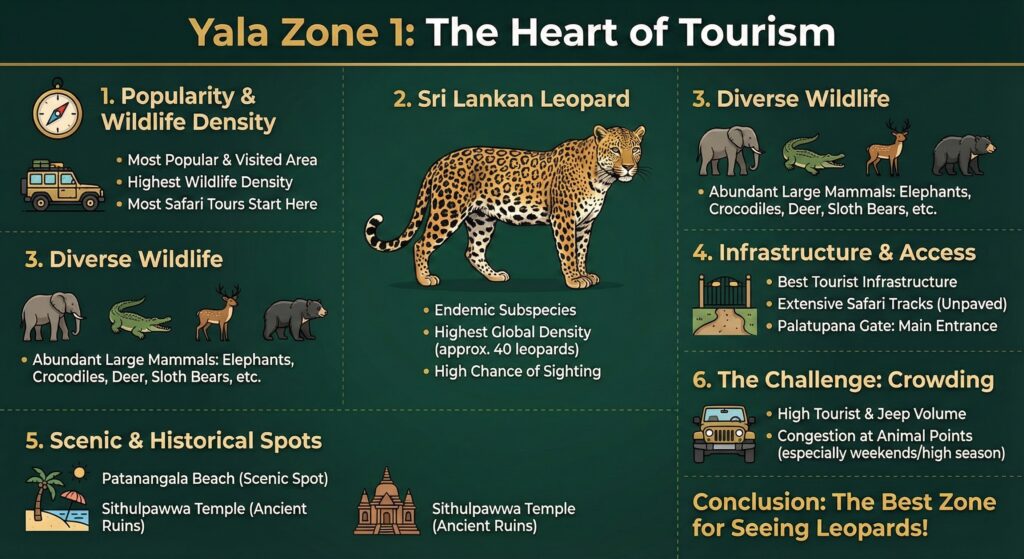
The Sri Lankan leopard, an endemic subspecies, is particularly abundant here, with a population density said to be among the highest in the world. An estimated 40 leopards inhabit this zone, and with a fair bit of luck, you stand a very good chance of encountering one.
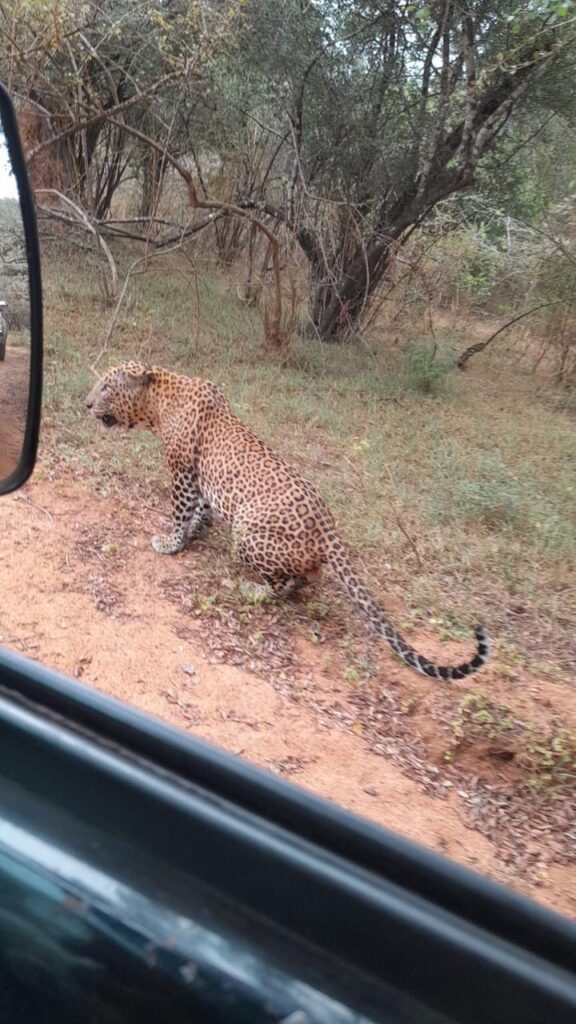
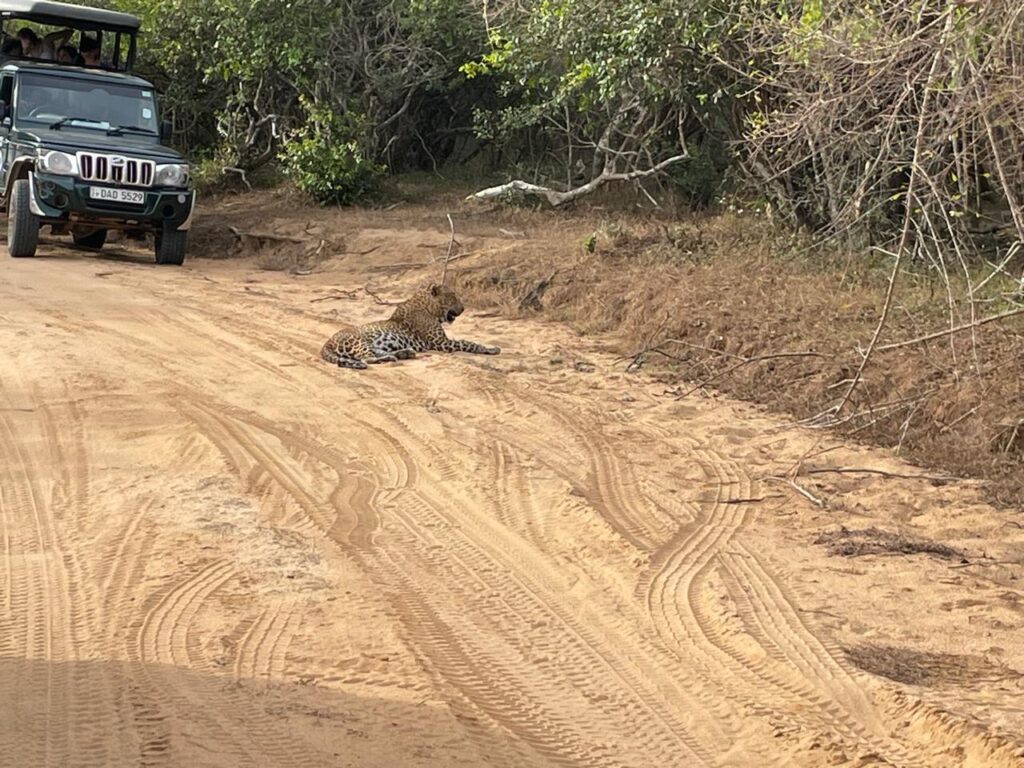
Zone 1 is also home to numerous large mammals such as elephants, crocodiles, deer, and bears (sloth bears), offering a rich variety of wildlife species to observe during the safari.
RaviZone 1 is the area with the most developed tourist infrastructure.
EmmaThe main safari tracks (unpaved driving routes) are laid out close to the park headquarters, making it easier to efficiently spot animals even on short safaris.
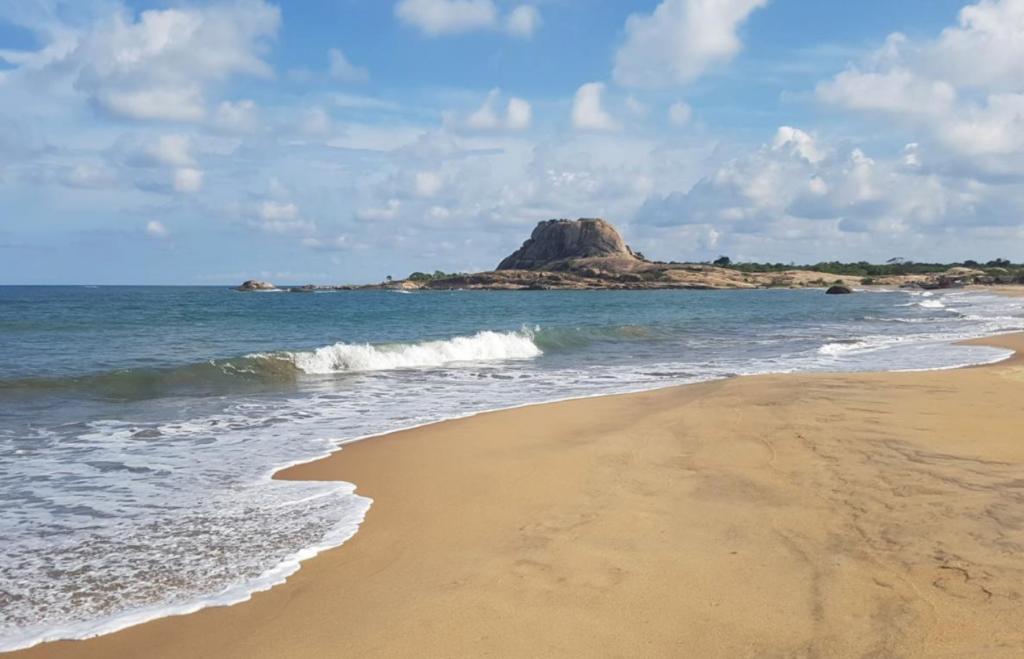
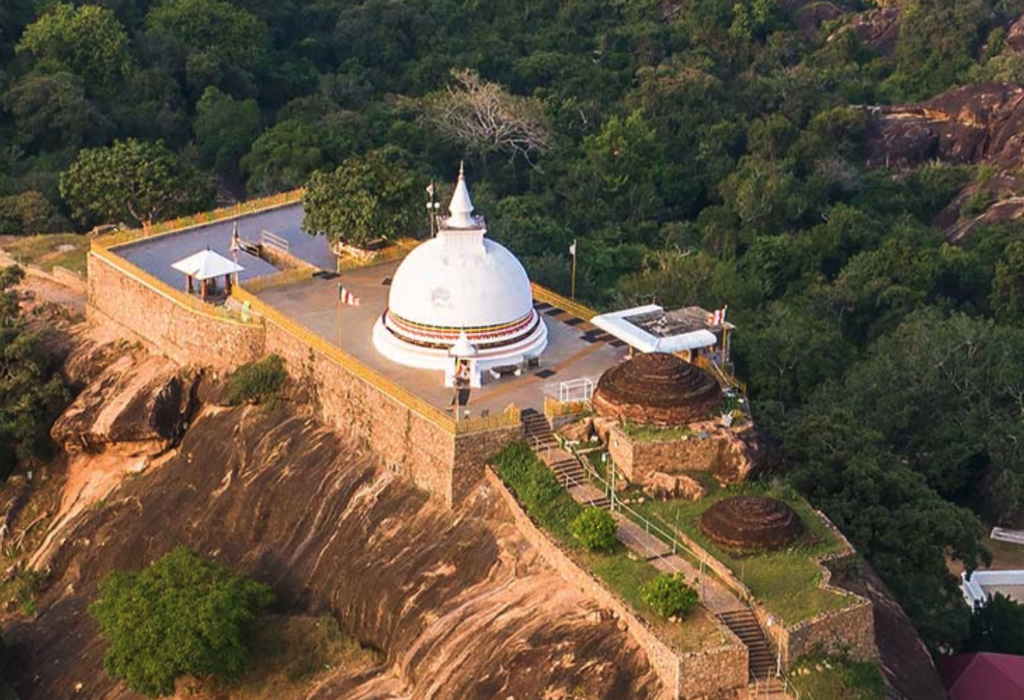
The southern Palatupana Gate serves as the main entrance to this zone, with the scenic spot ‘Patanangala beach’ within the park and the ancient Buddhist temple ruins ‘Sithulpawwa Rajamaha Viharaya’ also being highlights of Zone 1.
The only drawback is the sheer number of tourists and jeeps, which can lead to traffic jams at popular animal viewing spots, particularly at weekends and during the high season.
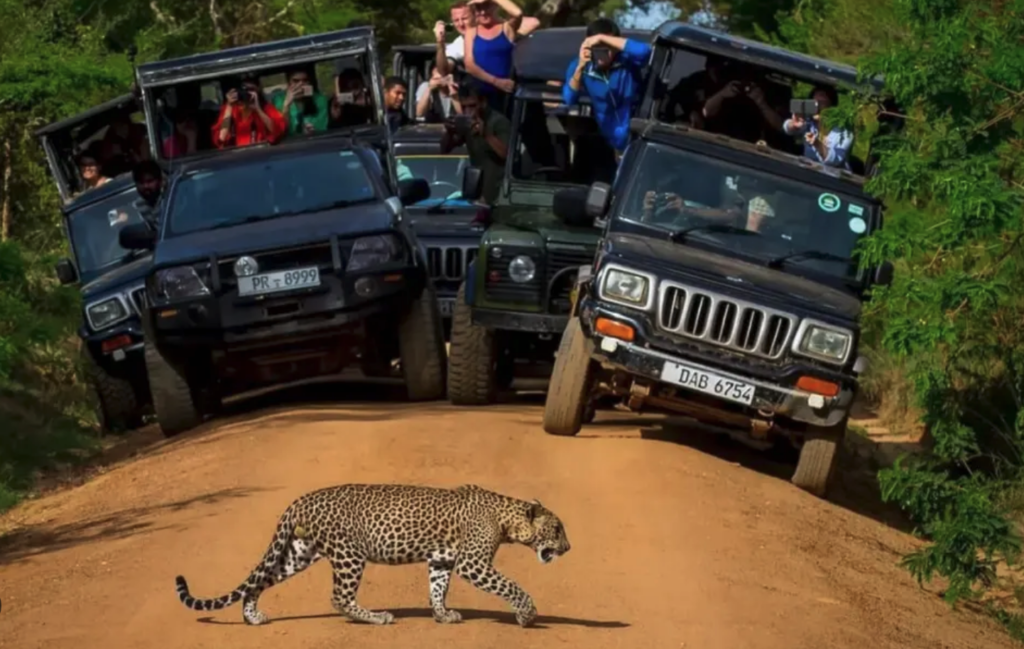
Even so, for those who insist, “I want to see leopards at Yala!”, heading straight for Zone 1 is the standard approach.
Zone 2 (Block 2): Untouched Alternative Safari Area
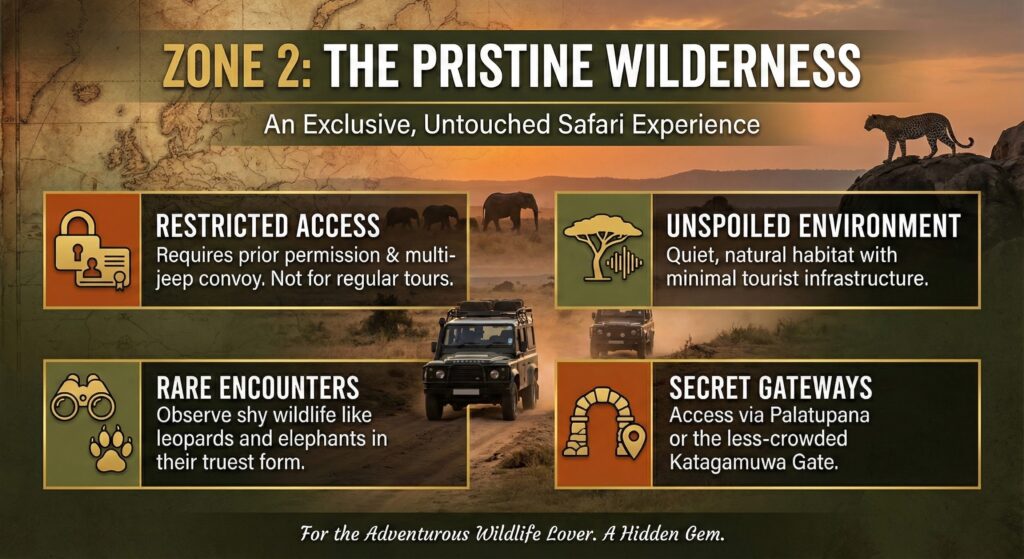
Zone 2 is an area adjacent to Zone 1, with a flora and fauna ecosystem very similar to that of Zone 1. While major wildlife such as leopards and elephants can still be seen here, it is characterised by restricted access for tourists and fewer visitors.
Standard safari tours typically do not cover Zone 2; visiting may require prior permission and the accompaniment of at least two 4WD jeeps. Consequently, Zone 2 retains a more untouched and tranquil environment, offering an uncrowded safari experience for the fortunate few who gain access.
 Emma
EmmaThe landscape of scrubland and lagoons in the arid zone is continuous with Zone 1, but with virtually no tourist infrastructure, it is truly an area for adventurous wildlife enthusiasts.
RaviThe primary entrance to Zone 2 is the same as for Zone 1, namely the Paratupana Gate, though another entrance, the Katagamuwa Gate, may also be used.
The Katagamuwa side has fewer accommodation options and remains relatively undeveloped, meaning the entrance gate is less congested. Zone 2 is officially open to the public, but as mentioned earlier, special arrangements are required, so opportunities to enter during a standard tour are effectively limited.
Consequently, wildlife behaviour may be observed in a more natural state. As the animals are less accustomed to humans, many individuals tend to be shy, and sightings of leopards and bears are said to be more difficult compared to Zone 1.
EmmaHowever, for those who wish to sense the presence of wildlife in tranquil surroundings, it is a hidden gem well worth visiting at least once.
Zone 3 (Block 3): The deep forests and quiet areas of the north
Zone 3 is situated in the northern part of the park and is an area covered by very dense forest. For a long time, access has been prohibited or restricted to anyone other than researchers and conservation personnel, and it has hardly been used for tourist safaris.
EmmaThe interior is largely covered in dense forests and thickets, virtually untouched by human hands, making it a true quiet sanctuary for wildlife.
The ecosystem remains largely unchanged from Zone 1, but in Zone 3, animals live undisturbed by vehicles or human presence, making it an ideal refuge particularly for shy sloth bears and forest-dwelling birds.
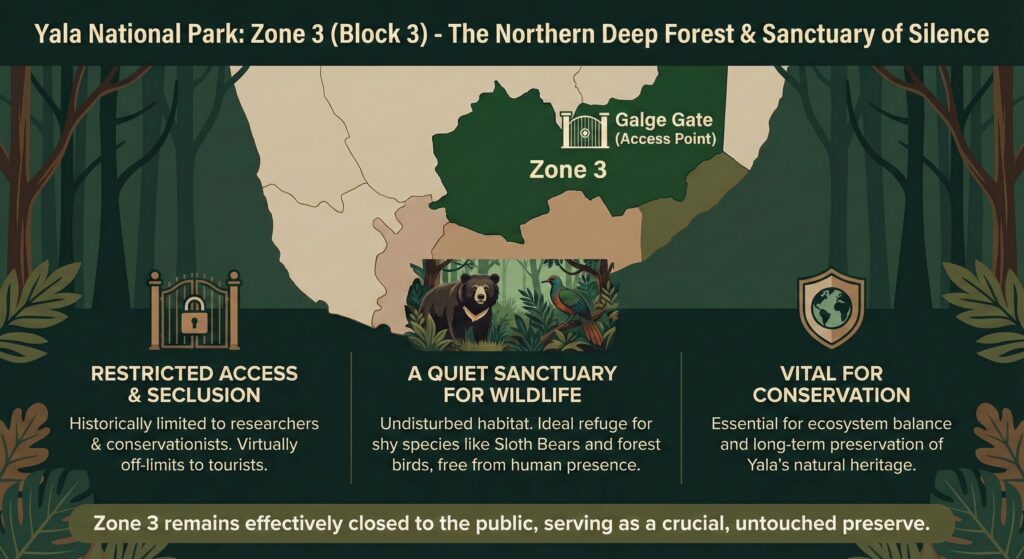
Zone 3 can be accessed via the Galge Gate entrance. This gate is located along the Buttala–Katalagama Road in the north-western part of the park and primarily provides access to Zone 3 and Zone 5, which will be discussed later.
RaviThe Galge area sees very few tourists and can be considered the gateway to the interior of Yala.
EmmaIn recent years, there have been moves to open Zone 3 on a trial basis, but even so, very few jeeps visit.
As a result, Zone 3 is still recognised as an area that is effectively ‘not open to the public’.
To protect wildlife and maintain ecosystems, it is also vital to preserve such areas where human access is restricted. Whilst these zones may hold little appeal for travellers, they constitute indispensable areas for the conservation of Yala National Park’s natural environment.
Zone 4 (Block 4): Strictly protected restricted access area
Zone 4 is a special area designated as a strict nature reserve within Yala National Park.
The area is not open to the public whatsoever and is managed by the park authorities solely for academic research and animal conservation activities.
The terrain features a mosaic of savannah grasslands, woodlands and waterways, creating a region packed with diverse ecosystems. However, due to its rich natural environment, human access is prohibited.
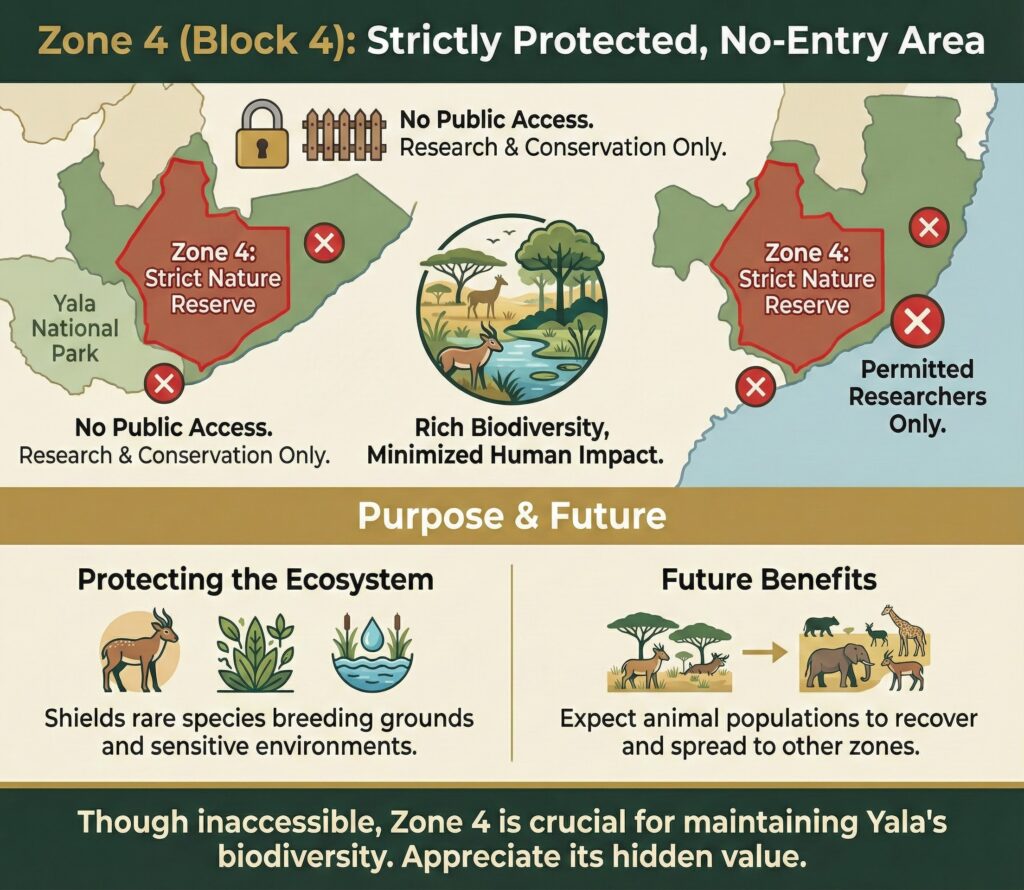
Only a select few authorised researchers may enter this area; it is a domain where even regular rangers, let alone tourists, do not venture unless absolutely necessary.
RaviZone 4 is not open to the public in order to minimise the impact on the ecosystem.
By blocking external stimuli, we protect the breeding grounds of rare animals and delicate environments. For example, Zone 4 features expanses of wetlands and grasslands, believed to be home to plants, waterfowl, and amphibians found nowhere else.
EmmaHowever, as no tourism development has taken place, detailed data is limited, making it truly a hidden gem among hidden gems.
Zone 4 is off-limits to travellers, but it is precisely these efforts to preserve untouched wilderness that maintain the biodiversity of Yala as a whole.
In the future, it is hoped that as a result of environmental conservation efforts, animals will gradually expand their range from Zone 4 into other zones. When visiting Yala National Park, reflecting on the existence of Zone 4 – though not directly visible – will deepen your appreciation of the park’s value.
Zone 5 (Block 5): A quiet, hidden gem of a safari spot
Zone 5 is situated at the western edge of Yala National Park and is an area that has been opened to the public relatively recently.
From around 2015, tourist safaris gradually became possible, and Zone 5 is now increasingly recommended for visits, second only to Zone 1.
Also known as Lunugamwehera National Park, it is accessed via the Garage entrance gate.
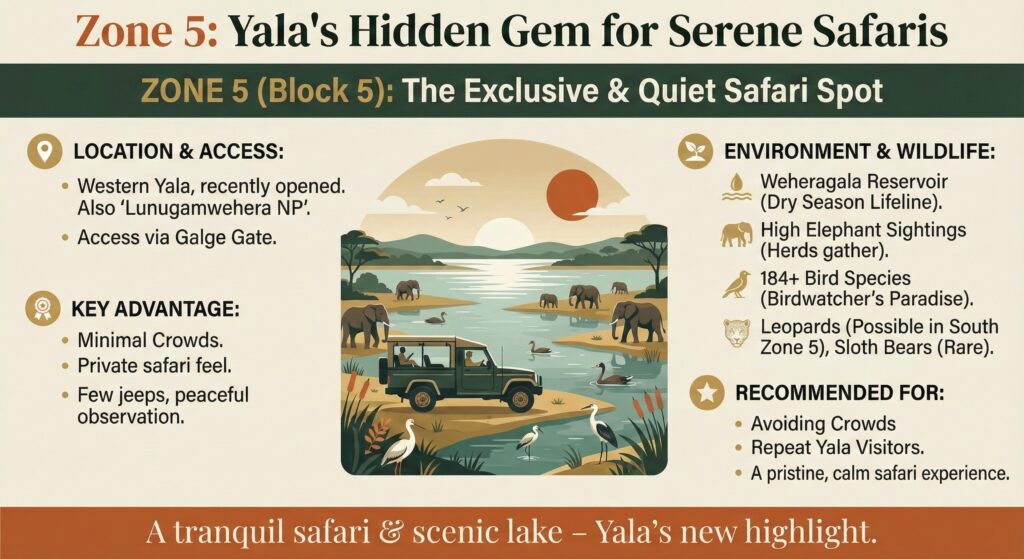
The greatest appeal of this zone is undoubtedly its lack of crowds. Whereas Zone 1 is often overflowing with jeeps during peak times, it is not uncommon for Zone 5 to have only a handful of jeeps during the same period. Consequently, you can concentrate on wildlife viewing in a quiet, tranquil atmosphere, much like a private safari.
Zone 5’s environment is characterised by extensive waterways and lush green landscapes. Within the park lies the Weheragala Reservoir, an artificial lake whose water remains year-round, providing a vital watering hole for large mammals even during the dry season.
EmmaConsequently, elephant sightings are extremely frequent, and during the dry season in particular, it is common to see herds of elephants gathering by the lakeside.
Moreover, the wetlands attract numerous waterfowl, making it a birdwatching paradise where over 184 species of birds have been recorded.
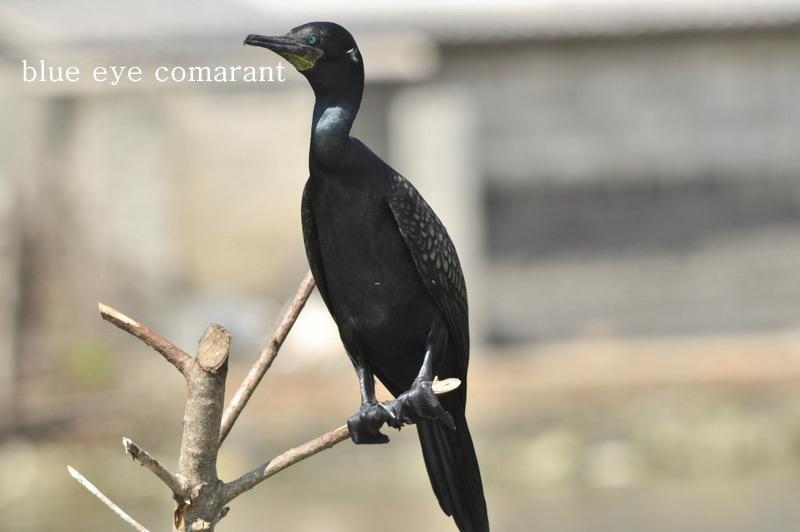
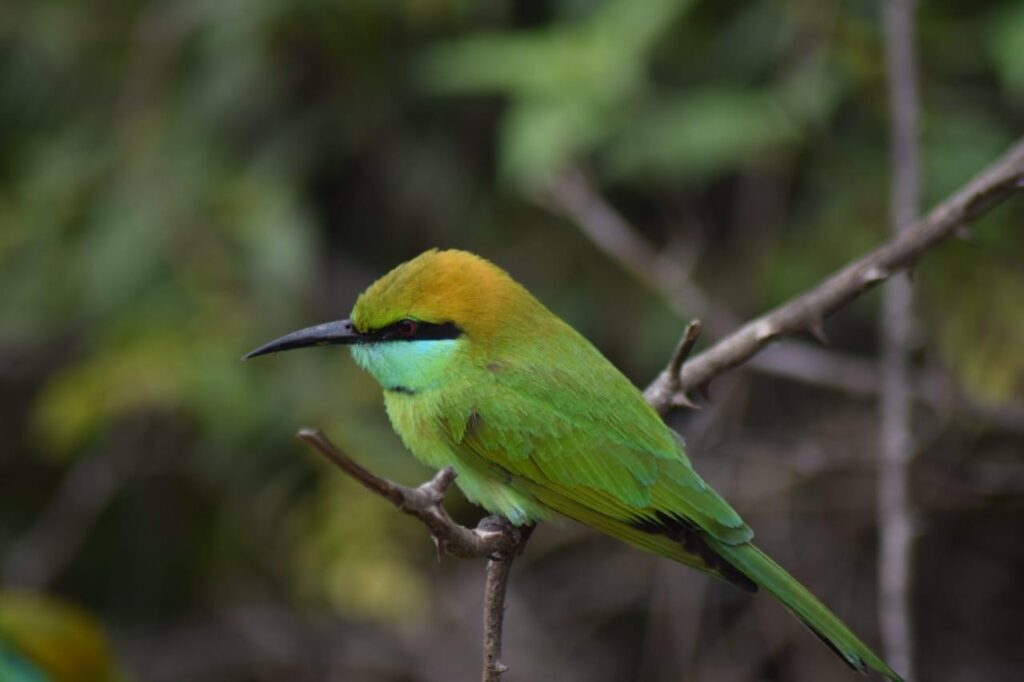
Leopards, while not as frequently sighted as in Zone 1, are confirmed to inhabit the area. Particularly in the southern part of Zone 5, where animals are becoming accustomed to vehicles, encounters may be possible with a bit of luck.
Sri Lankan sloth bears and other rare animals have been reported, but overall the wildlife still seems wary of humans, hiding deep within the wilderness.
EmmaZone 5 is not directly connected to the rest of the park, requiring a detour around the park’s perimeter to reach it, which makes access time-consuming (e.g., several hours by car from Paratupana).
RaviNevertheless, it is gaining popularity as a hidden gem worth visiting, particularly among travellers wishing to avoid the crowds and those visiting Yala for a second or subsequent time.
Zone 5, with its tranquil safari experience and beautiful lake scenery, is arguably the new highlight of Yala National Park.
When is the best season? Please note the closure period
The best season to visit Yala National Park is generally during Sri Lanka’s dry season.
EmmaSpecifically, the period from late April to around August is considered the best season for observing wildlife.
During this season, rainfall is scarce and water sources are limited, making it easier for animals to gather at lakes and ponds, and thus easier to spot a variety of wildlife during safaris.
Particularly from May to July, as vegetation begins to wither and visibility improves, the chances of spotting not only leopards and elephants but also animals with their young and the elusive sloth bear increase significantly.
With high sunshine rates and stable road conditions, early morning and evening safaris should prove comfortable.
RaviMeanwhile, the rainy season (monsoon period) from October to December is the season when the park is covered in lush greenery.
EmmaRain tends to drive animals deeper into the forest, making them slightly harder to spot on safari.
However, the rainy season also sees large numbers of migratory birds arrive, making it an ideal time for birdwatching.
With fewer visitors and a tranquil atmosphere, it offers the unique off-season experience of seeing lush, green Yala drenched in tropical rain.
Should you visit during the rainy season, bear in mind that jeep tracks may become muddy and impassable, so allowing extra time in your schedule is advisable.
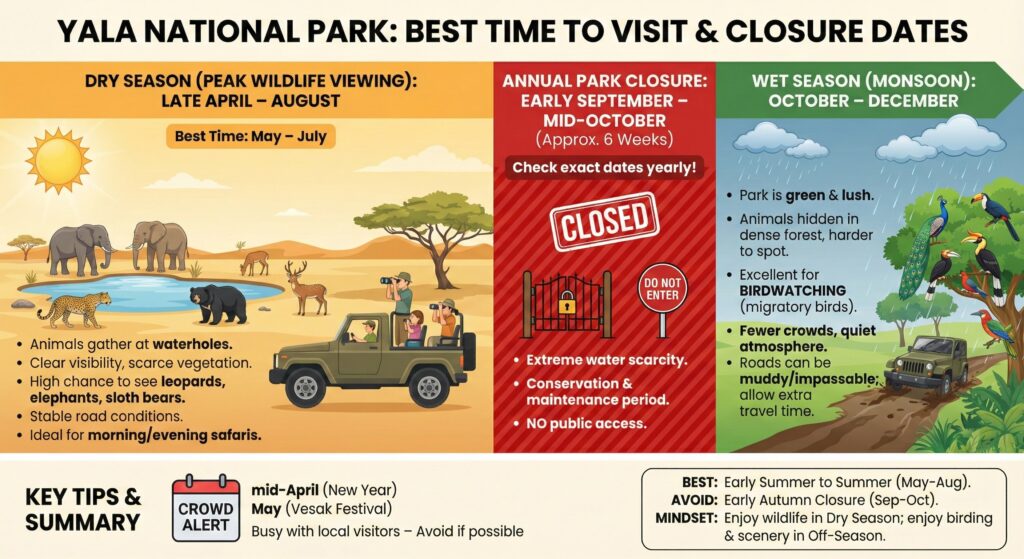
It should be noted that Yala National Park has an annually designated closure period. Typically, the entire park closes for approximately six weeks from early September.
This closure is implemented to avoid encounters with animals becoming aggressive due to extreme water scarcity towards the end of the dry season, and also serves as a maintenance period for environmental conservation.
RaviThe specific dates may vary from year to year, but the closure period generally runs from around 1 September to mid-October.
During this period, general visitors will be unable to enter the park at all. If your travel dates fall between September and October, please ensure you check the latest opening information. Assuming it will be fine simply because it is the dry season could lead to your visit coinciding with the park’s closure.
EmmaAdditionally, during Sri Lanka’s Lunar New Year (mid-April) and Vesak Festival (May full moon festival) holiday periods, the park tends to become crowded with local tourists, so it is advisable to avoid these times if possible.
To summarise, the best season is the dry early summer to summer period (May to August), whilst the early autumn (September to October) when the park closes should be avoided.
During the peak season, plan your safari for times when animal activity is most vigorous, such as early morning or evening.
If visiting during the off-season, approach your visit prepared to enjoy attractions beyond wildlife (such as birdwatching or the verdant scenery), and you will be able to experience Yala National Park to the fullest.
Yala National Park Cost Guide: Entrance Fees & Jeep Safari Charges
Yala National Park entrance fees have a separate rate for foreign visitors, as is the case with other Sri Lankan national parks.
As of 2025, admission tickets for foreign tourists cost approximately USD 31–36 (around €30, £26) per adult.
RaviThe variation in price is due to slight fluctuations in taxation and other charges based on the number of people per Jeep.
Typically, ticket prices include VAT and public service charges. For instance, when sharing a jeep between two to six people, the cost is approximately USD30 per person (around €28).
The entrance fee is payable at the park gate upon commencement of the safari and is accepted in Sri Lankan rupees cash only. Please note that entrance fees for drivers and guides are also required, though these are typically arranged separately from your ticket by the tour operator.
Next are the Jeep safari tour costs. In Yala, you typically charter a dedicated open-top 4WD jeep to tour the park. Prices vary depending on the type of safari and duration. The table below summarises typical tour formats and approximate costs.
| Tour Types | Time period and characteristics | Fees (Approximate) |
|---|---|---|
| Morninsafari(Half-Day) | Early morning from approximately 6:00 to 10:00. During this cool period, animal activity is particularly high. The sighting rate for leopards is especially high. | Approximately €70 (approximately £61) |
| Afternoon Safari (Half-day) | From approximately 2:00 pm to 6:00 pm. Animals gather at watering holes as evening approaches. The period around sunset is also ideal for birdwatching. | Approximately €60 (approximately £52) |
| Full-Day Safari (All day) | 6:00–18:00 (full day). Lunch break included. A luxury plan covering extensive areas for maximum wildlife encounters. | Approximately €120 (approximately £104) |
Half-day safaris typically cost between LKR 18,000 and 25,000 (approximately USD 55 to 75) per jeep, with this price often including vehicle hire, driver fees, and park entry permits.
Morning tours may be priced slightly higher due to the early pick-up, but generally there is little difference in price between morning and afternoon tours. For full-day tours, the jeep hire fee is typically double (around USD120–160), and the standard itinerary includes leaving the park for a lunch break.
The cost per person for any tour will be lower if enough people sign up.
Experienced guides know the tricks of spotting wildlife, and this greatly influences the satisfaction of the safari experience.
From 2024 onwards, all jeep drivers are required to undergo government training and register for a licence, leading to a decline in unlicensed, unscrupulous operators.
EmmaNevertheless, one should be wary of signs advertising ‘budget $30 safaris’, as the service quality may be low for the price, and some drivers may lack consideration for wildlife.
RaviChoosing a reasonably priced tour and travelling with a reliable guide leads to a safe and fulfilling safari experience.
Whilst it is possible to arrange such jeep tours independently, for a more comfortable and worry-free experience, we recommend using LankaMe’s Platinum Plan.
LankaMe is a private charter company with drivers. Under LankaMe’s Platinum Plan, your dedicated driver will not only manage your itinerary but also arrange the optimal jeep for your Yala safari locally.
RaviMoreover, the driver themselves will accompany you on the safari, providing detailed explanations in English about the wildlife and natural surroundings. This allows even first-time visitors to resolve any queries on the spot, thereby deepening their valuable experience.
EmmaFor example, when you spot a leopard, they will tell you about its ecology and habits, and advise you on the best angles for taking photographs.
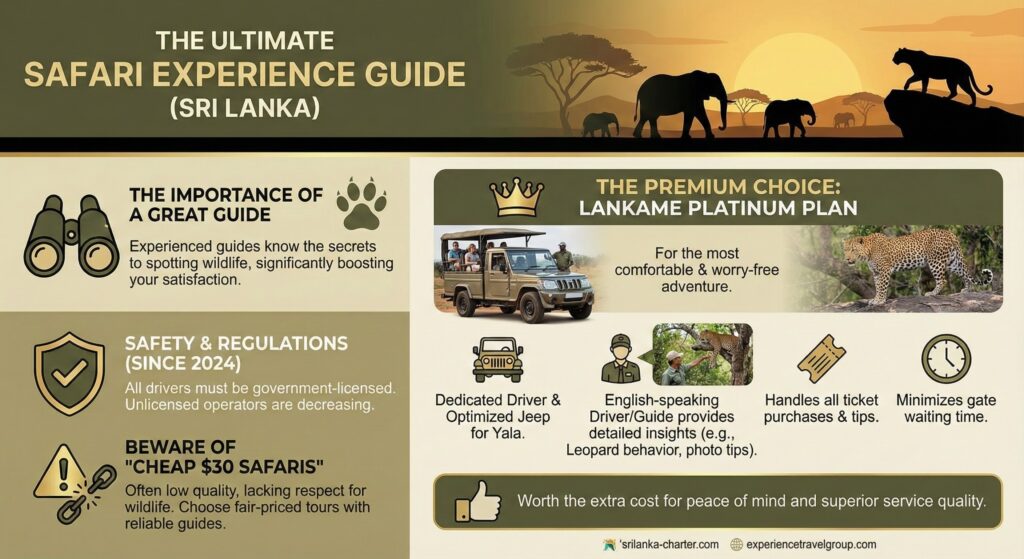
Platinum Plan users can leave the hassle of purchasing tickets and negotiating tips to their driver, thereby minimising waiting time at the gate.
While there is a slight additional cost, the peace of mind and quality of service provided by having a dedicated guide and driver makes it well worth the expense.
The above summarises the attractions and practical information of Yala National Park for travellers from Europe.
Yala, one of Sri Lanka’s premier wildlife paradises, awaits you with encounters with leopards and a diverse array of creatures.
Prepare thoroughly, from access methods and the best season to budget estimates, and be sure to enjoy a once-in-a-lifetime safari experience. Yala’s vast nature and the drama of the wild will surely deliver an unforgettable experience that exceeds all expectations.
Summary
Yala National Park is one of Sri Lanka’s most popular safari destinations, famous for its high chances of spotting the Sri Lankan leopard.
While it is possible to reach the nearby towns by public transport, a private charter is the best option for European travelers who value time, comfort, and smooth logistics.
Zone 1 is the main area with the highest wildlife-viewing efficiency, while Zone 5 is a quieter “hidden gem” with fewer crowds. Zones 2 to 4 have more restrictions, and some parts are not open to the public.
The dry season (roughly May to August) is the ideal time to visit, while park closures around September to October should be checked carefully.
By understanding entrance fees and jeep safari costs in advance—and using LankaMe’s Platinum Plan to secure a high-quality jeep plus on-board explanations from the driver—you can enjoy a safer and more rewarding safari experience.

コメント